Circuses and Secret Societies
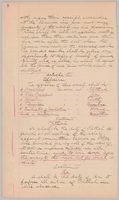
Fifty years later MIT had generations of alumni, teams, and clubs, as well as an international reputation for rigor and innovation. With more of the trappings of a traditional university, MIT’s search for school spirit now also drew on the examples of other schools.
In 1903 a transfer student from Cornell, Arthur Jeremiah Sweet, brought with him to the Institute the idea for a benevolent secret senior society, the purpose of which would be to promote interclass unity and the flourishing of life at the Institute. Seeking to differentiate their group from traditional fraternities and sororities, the founding members of this group chose to use Egyptian rather than Greek symbols, and so Osiris was born.
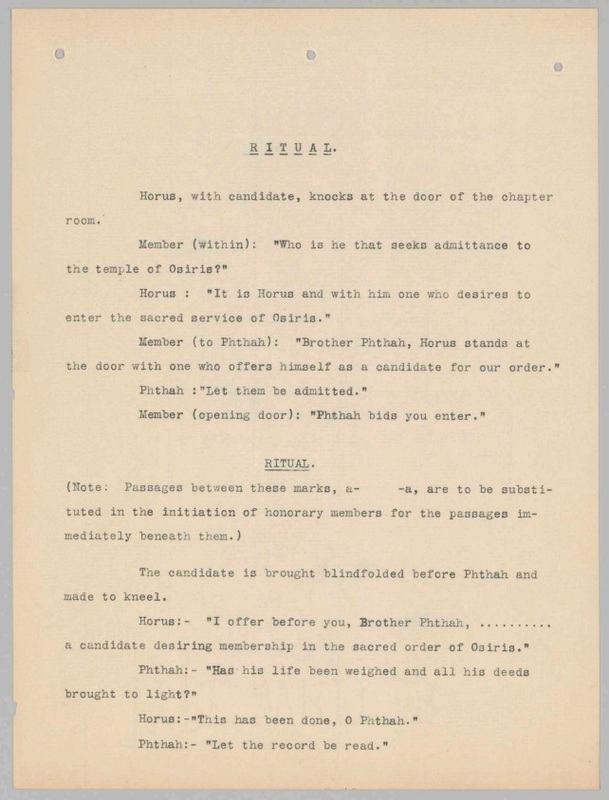
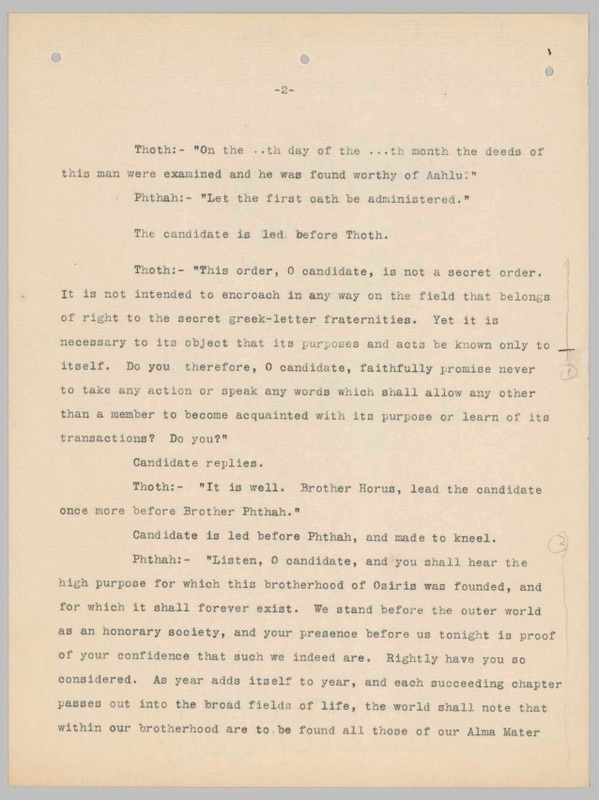
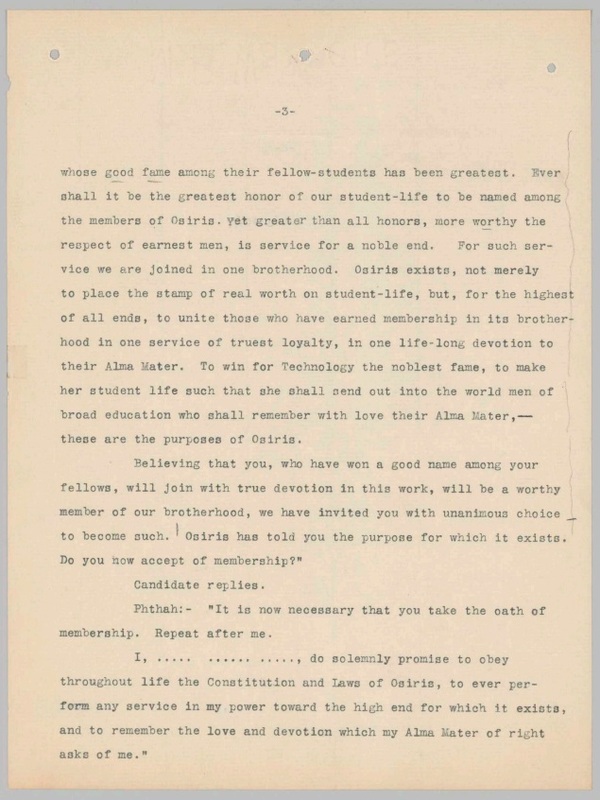
By 1926 the group had revised the constitution several times and initiated generations of students and honorary members. Honorary members frequently included presidents of the Institute, and the group’s private meetings served as forums for candid off-record discussion between students and administrators. The document below is a script of the initiation ritual used in 1926. Initiates were traditionally informed of their invitation to join Osiris by being told to rent a tuxedo and repeatedly perform a humorous routine in a public place. They would then be conducted blindfolded to their initiation and afterwards would join other members in a celebratory dinner.
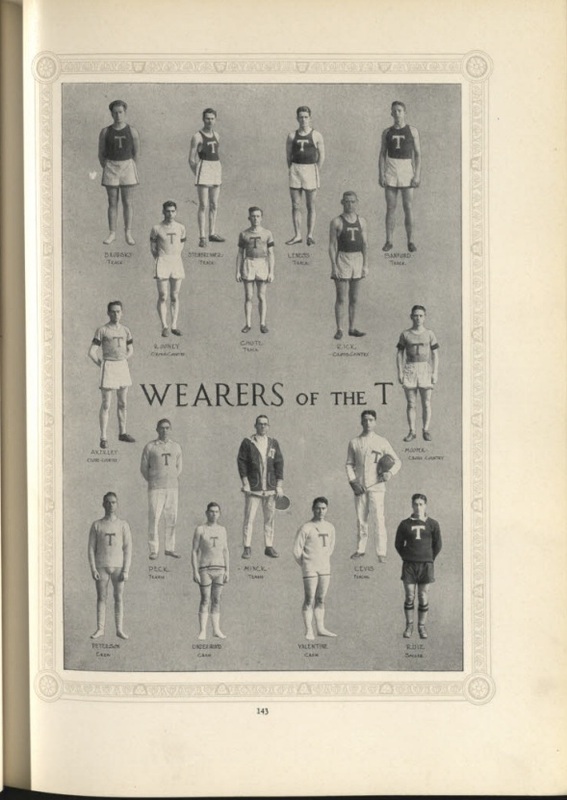
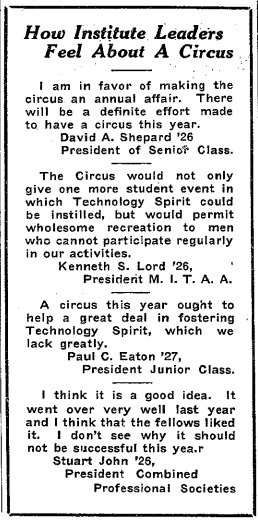
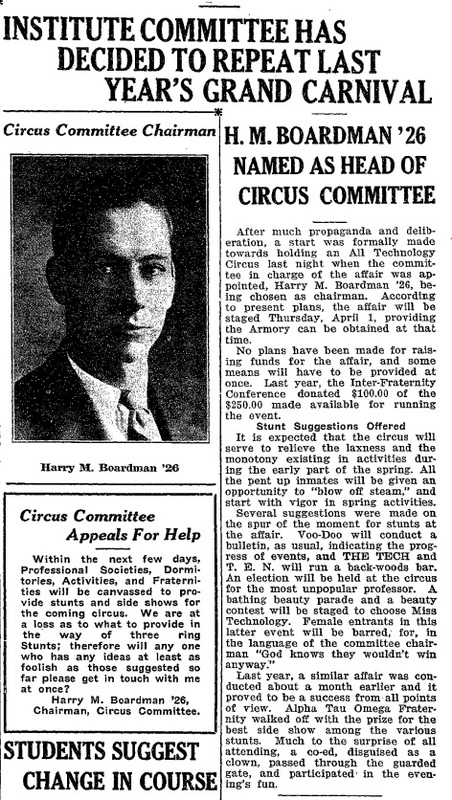
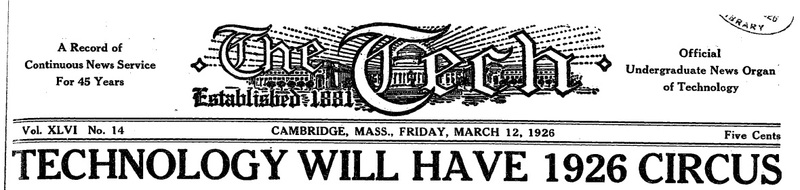
Student life at MIT in 1926 benefitted from many different teams and clubs competing and performing against other local universities and high schools. These organizations also served an important social role, hosting parties (most often ticketed dances), as well as student-organized school-wide events such as the All-Tech Circus of April 1st, 1926. The circus included a parade down Mass Ave as well as acts and stunts organized by various fraternities and teams, all to let off steam in the dreary spring weather, build inter-class unity, and foster what was often referred to in The Tech as “Technology Spirit.”